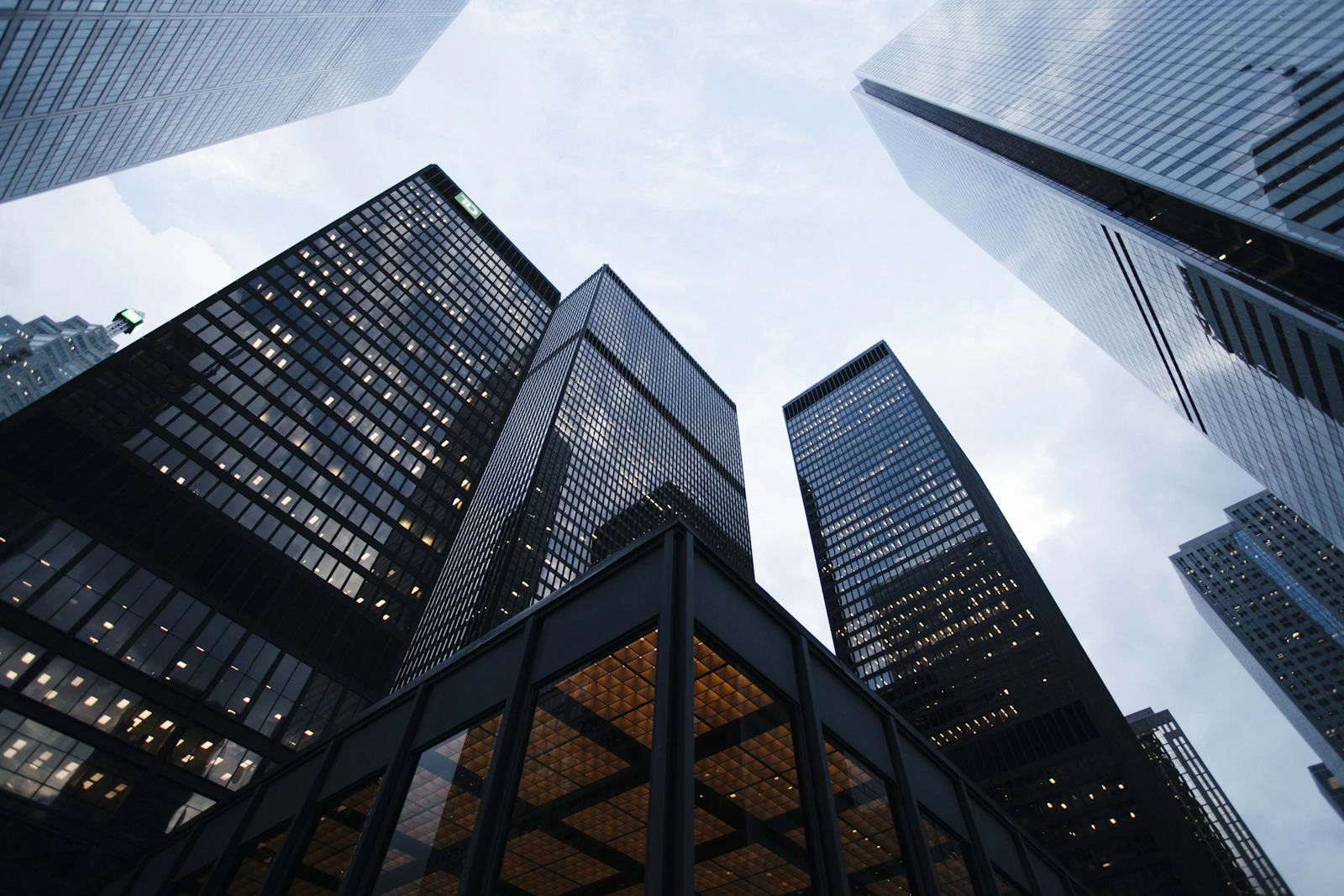
Commercial water damage restoration is the emergency cleanup, drying and repair of business and multi-tenant properties after a water loss. The core science is the same as in a home, but the stakes and logistics are different. Commercial losses tend to be larger, involve several floors or tenants, and come with pressure to keep the doors open, protect inventory and equipment, and meet health, safety and lease obligations.
We work with property managers, facility directors, business owners and HOA boards across Tulsa and Tulsa County. Common jobs include fire sprinkler discharges, roof leaks over warehouses and retail space, burst pipes in office buildings, water heater and supply line failures in apartment complexes, and storm water entering ground-floor storefronts.
When a water loss shuts down part of your building, call (918) 395-9320. A local dispatcher answers 24/7, and we can usually begin extraction the same day.
Reviewed by our Tulsa restoration team ·
Jump to a section
Commercial Properties We Serve in Tulsa
Each type of property has its own priorities, from protecting inventory to keeping residents in their units. We adapt the response to the building.
Offices and professional buildings
Protecting electronics, records and workstations, minimizing noise and disruption during business hours, and working nights and weekends when needed.
Retail stores and restaurants
Saving inventory, meeting health department requirements for food service areas, and getting the sales floor open as quickly as possible.
Warehouses and industrial facilities
Large open spaces with high ceilings and concrete slabs need high-capacity extraction and drying. We work around racking, equipment and shipping schedules to limit downtime.
Apartments, condos and HOAs
A leak in one unit often affects the units below and beside it. We coordinate access with management, communicate with residents, and document each unit separately for owners, tenants and insurers.
Healthcare, schools and churches
These facilities have occupants who are sensitive to dust and contaminants and schedules that can't easily shift. Containment, air filtration and careful scheduling are part of every job.
Keeping Your Business Running
The biggest cost of a commercial water loss is often the interruption, not the repairs. Our approach is built around getting you operational as soon as possible:
- Rapid extraction to stop water from spreading into more of the building
- Containment barriers that separate work areas so the rest of the building can stay open
- Phased drying and repairs, so finished areas can be returned to use one at a time
- After-hours and weekend work to avoid disrupting customers and staff
- Moving and protecting furniture, equipment, inventory and records
- A single project manager as your point of contact
- Daily updates on progress and expected completion
Common Causes of Commercial Water Damage
These are the sources we see most often in Tulsa commercial properties:
Fire sprinkler discharges
Accidental head damage, freeze breaks in unheated areas, and system failures can release large volumes of water quickly. Sprinkler water sitting in pipes is often dirty and may be treated as grey water.
Roof leaks
Flat and low-slope commercial roofs are vulnerable to ponding, failed seams and hail damage. Leaks often spread across ceiling tiles and insulation before they're found. Our storm damage repair team handles emergency roof protection.
Plumbing and HVAC failures
Burst pipes, failed supply lines, water heaters, cooling tower and condensate drain problems, and leaks from upper-floor restrooms all cause commercial losses, often discovered when staff arrive in the morning.
Sewage and drain backups
Backups in restaurants, multi-family buildings and ground-floor tenants are Category 3 losses that require containment and disinfection, following our sewage cleanup procedures.
Storm water
Heavy rain can overwhelm drains and push water into loading docks, lower levels and storefronts.
Large Loss Drying and Equipment
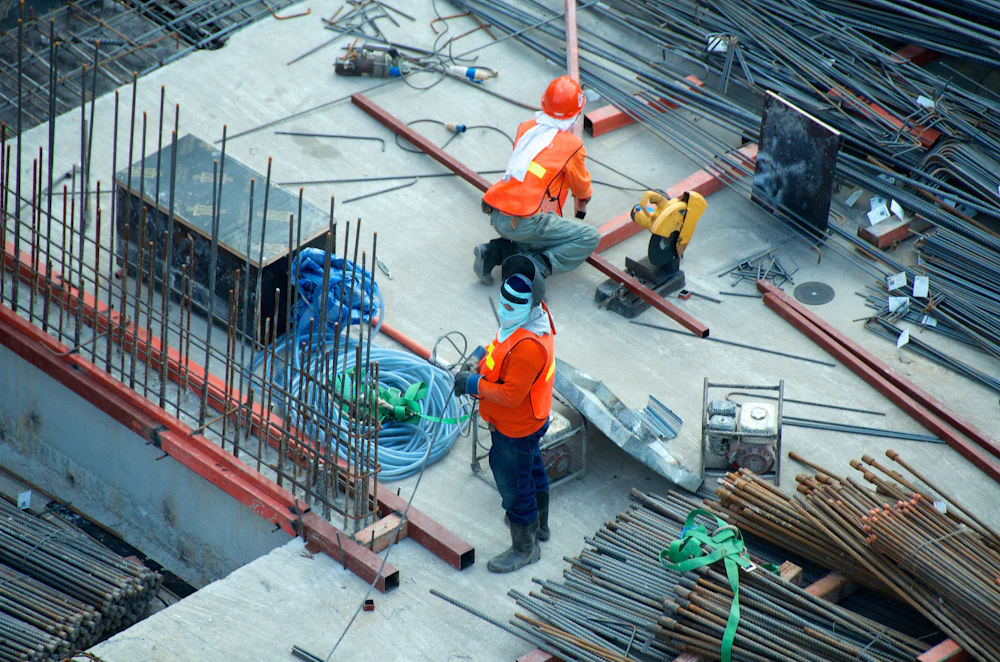
Commercial buildings often need more drying capacity than a typical home. Large open areas, multiple floors and dense materials like concrete call for high-capacity extraction, larger numbers of dehumidifiers and air movers, and in some cases desiccant dehumidifiers, which work well in cooler and very large spaces. Temporary power may be needed if the building's electrical system is damaged.
Drying is monitored daily across the affected areas and documented, the same water mitigation standard we use on every job, scaled to the size of the building.
Documentation for Commercial Insurance Claims
Commercial claims often involve several parties: building owners, tenants, property managers, insurance adjusters, and sometimes several insurers. Clear records help keep everyone aligned.
- Photo documentation before, during and after the work
- Moisture maps and daily drying logs by area or unit
- Itemized scopes in the estimating format commercial carriers commonly use
- Separate documentation per tenant or unit when needed
- Inventory of damaged contents, equipment and stock
- Records that support business interruption claims, such as timelines for when each area returned to use
Preventing Mold and Protecting Occupants
Mold growth in a commercial building can mean tenant complaints, closures and liability. Fast drying is the best prevention. When mold has already started, we follow the IICRC S520 standard for mold remediation, with containment and HEPA air filtration to protect occupants in adjacent spaces.
In occupied buildings, we use containment barriers, HEPA air scrubbers and careful scheduling to keep dust and contaminants out of the areas where people are working.
Emergency Response Planning for Property Managers
The fastest commercial responses happen when the planning is done before the loss. An emergency response plan (ERP) records the information a restoration crew needs on day one, so no time is lost tracking it down.
- Locations of water, sprinkler, gas and electrical shutoffs
- Building contacts and after-hours access instructions
- Critical areas and equipment that need priority protection
- Insurance carrier and policy information
- Tenant and unit lists for multi-tenant buildings
- Pre-approved authorization to begin emergency mitigation
Commercial Water Damage Restoration Cost
Commercial projects are scoped individually. Cost depends on the size of the affected area, the number of floors and units involved, water category, materials such as concrete or ceiling tile, the drying equipment needed, after-hours requirements and the extent of repairs. After the walkthrough, you receive a written estimate and a timeline, and we document the work for your adjuster throughout the project.