24/7 Response
Mold Remediation Tulsa
IICRC-certified black mold removal, air quality testing, EPA-protocol HEPA containment. We eliminate mold at the source, not just the surface.

Local Rapid Response Fleet
Tulsa On-Site Response: ~60 Mins
Burst pipe, flooded basement, storm damage — our IICRC-certified technicians arrive in 60 minutes or less. We extract water, dry your structure, and prevent mold before it starts. Serving all of Tulsa County since 2015.
Immediate 24/7 local emergency service available across all Tulsa metropolitan zip codes & neighborhoods.
When water enters your Tulsa home, every minute matters. Water damage spreads through drywall, subfloor, and insulation within hours — and in Oklahoma's humid climate, mold can begin growing in as little as 24 to 48 hours. That's why our IICRC-certified team is positioned throughout Tulsa County and ready to respond within 60 minutes, at any hour, every day of the year.
We are a locally owned water damage restoration company serving Tulsa, OK and all surrounding communities — Broken Arrow, Owasso, Bixby, Sand Springs, Catoosa, Jenks, and beyond. From burst pipes to basement floods to storm damage, we handle every type of water damage with industrial-grade extraction equipment and proven IICRC S500 drying protocols.
What separates us from national franchise chains: we live in Tulsa. When you call us, a local Tulsa dispatcher answers — not an 800-number routed through three states. Our technicians know Tulsa's neighborhoods, its weather patterns, and its construction styles. You get a neighbor who treats your home like their own.
We believe in transparent pricing and professional documentation — preparing detailed moisture logs, damage reports, and photo documentation for every project. Every Tulsa homeowner receives a clear, upfront written estimate with no hidden fees or surprises.
One call covers every type of damage. From water extraction to full structural rebuild — we handle it all with IICRC-certified professionals.
IICRC-certified black mold removal, air quality testing, EPA-protocol HEPA containment. We eliminate mold at the source, not just the surface.

Soot removal, smoke odor elimination via thermal fogging and ozone treatment, emergency board-up, and full structural reconstruction.

Emergency roof tarping, debris removal, and interior drying after Tulsa's tornado-season storms and hail. 24/7 emergency response.
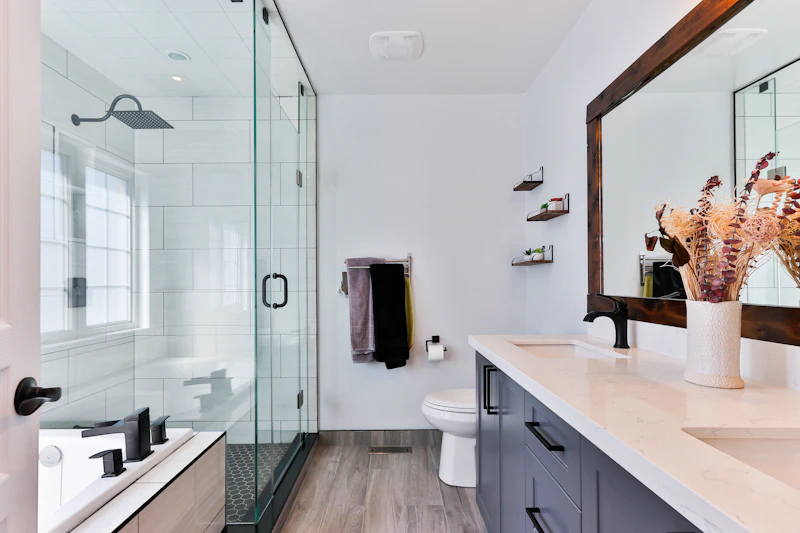
Category 3 black water extraction, sewage backup cleanup, full disinfection, and structural drying for flooded basements and ground floors.

Immediate water extraction, industrial structural drying, and mold prevention — stopping damage before it spreads.

Large loss certified. Minimum business interruption. Offices, retail, warehouses, and multi-unit properties.

Burst pipe, flooded basement, appliance leak — our IICRC-certified technicians arrive in 60 minutes or less, 24/7/365.
Every water damage job in Tulsa follows the same documented sequence, based on the IICRC S500 standard for professional water damage restoration. Knowing the steps helps you understand what our crew is doing, how long each phase takes, and what your insurance adjuster will expect to see.
Within 60 minutes
A local dispatcher asks where the water is coming from, how long it has been there, and whether anyone is at risk. The nearest crew is dispatched with extraction and drying equipment already on the truck.
First 1–2 hours on site
We confirm the source is stopped, check for electrical hazards, and classify the water by category and class. Thermal imaging cameras and moisture meters map how far water has travelled into walls, subfloor, and cabinetry. Every affected area is photographed for your insurance claim.
Day 1
Truck-mounted and portable extractors remove standing water from carpet, pad, and hard floors. Contents are moved or blocked up, and materials that cannot be saved, such as saturated carpet pad or wicking drywall, are removed so the structure underneath can dry.
Days 1–5
High-velocity air movers and LGR or desiccant dehumidifiers are placed to match the room size and moisture load. We take readings every day and adjust equipment until each material reaches its dry standard. See our day-by-day drying timeline for detail.
During drying
Affected surfaces are cleaned and treated with EPA-registered antimicrobials. Gray and black water losses get HEPA air filtration and containment. If mold is already present, our mold remediation team handles it in the same visit.
1–2 weeks, depending on scope
Once drying is verified, we replace drywall, insulation, flooring, and trim, then paint and finish. You receive the final moisture logs and photo documentation, and we walk the property with you before closing the job.
What you do before our crew arrives can limit damage and make your insurance claim easier. Safety comes first: if water is near electrical outlets or the panel, leave the area and call for help.
Four reasons we've become Tulsa's most trusted restoration company.
We are not a call center. Our technicians are staged throughout Tulsa County and guaranteed to arrive within 60 minutes anywhere in the metro area — 24 hours a day, 7 days a week, including holidays. Water damage doesn't wait for business hours and neither do we.
Every single technician holds active IICRC certification in Water Damage Restoration (WRT) and Applied Structural Drying (ASD). This isn't a marketing claim — it is the highest industry standard, and every member of our Tulsa team exceeds it.
From arrival we provide upfront written pricing with no hidden fees: detailed on-site assessments, moisture mapping, daily drying logs, damage reports, and Xactimate-standard photo documentation. Every Tulsa customer knows exactly what to expect before work begins.
We are not a national franchise routing your call through an 800-number to a subcontractor two cities away. We are a Tulsa company. We know this city's neighborhoods, its storm patterns, and its construction styles. When you call us, you talk to someone who lives here.


Water damage is one of the most common property emergencies in the United States — and in Tulsa, Oklahoma, burst pipes from winter ice storms, severe spring hail events, and the area's aging residential infrastructure make it a year-round concern for homeowners across Tulsa County.
The most critical fact every Tulsa homeowner needs to understand: water damage that appears minor on the surface is almost always more extensive underneath. Drywall absorbs moisture like a sponge, pushing it into insulation and wood framing. Subfloor panels swell and separate. And in Oklahoma's climate, the 48-hour window before mold colonization begins is not a guideline — it is a hard deadline.
Restoration professionals classify every water loss two ways: by category (how contaminated the water is) and by class (how much water the materials absorbed). Together they decide which materials can be saved, what safety precautions are needed, and how long drying will take. Insurance adjusters use the same terms, so it helps to know them.
Category 1
Water from a sanitary source that poses no immediate health risk. Carpet, pad, and drywall can often be dried in place if extraction starts quickly.
Common sources
Category 2
Water with significant contamination that can cause illness if touched or swallowed. Carpet pad is usually replaced, and surfaces need antimicrobial treatment.
Common sources
Category 3
Grossly contaminated water carrying bacteria, viruses, and other pathogens. Porous materials it touches are removed, and work is done with protective equipment and containment. See our flood damage restoration service.
Common sources
Water does not stay in the same category. Clean water that sits for a day or two in a warm Tulsa home picks up contaminants from building materials and can become Category 2 or 3. This is one more reason fast extraction keeps costs down.
The class tells us how much drying equipment a job needs and roughly how long it will take. Higher classes mean more evaporation load and longer drying times.
When an accident happens or disaster strikes, our uniquely trained teams work with you to repair and restore your business as quickly as possible. We offer flexible repair and cleaning solutions that isolate the damaged area so normal operations can continue.
Water damage escalates fast — a $2,000 mitigation job can become a $40,000 structural rebuild within days. Whether you're dealing with a burst pipe, storm flooding, or an appliance leak in Tulsa, acting quickly and choosing certified professionals protects your home and your property value.
Burst pipes during Oklahoma ice storms, appliance failures, roof leaks from hail and tornado-season storms, sewage backups, HVAC condensate overflows, and slab leaks are the most frequent causes we respond to across Tulsa County. Seasonal flooding from the Arkansas River also impacts Riverside, the Pearl District, and west Tulsa neighborhoods. Without professional intervention, mold can begin growing within 48 hours in Oklahoma's humid climate.
Household fans and rental dehumidifiers only dry the surface — hidden moisture inside walls and subfloors drives mold growth and structural decay. Our crews deploy truck-mounted extraction systems, LGR commercial dehumidifiers, high-velocity air movers, thermal imaging cameras, and professional moisture meters to ensure complete structural drying documented with psychrometric data for verified dry-standard certification.
Tulsa's 65–75% summer humidity makes rapid mold prevention critical. We apply EPA-registered antimicrobial treatments during extraction, establish HEPA-filtered negative air containment when needed, and maintain dehumidification until IICRC-standard dry goals are met. If active mold is found, our IICRC-AMRT certified technicians handle remediation in the same mobilization — no separate contractors required.
Most homeowner's policies cover sudden and accidental water damage, but documentation makes or breaks a claim. We photograph and log every affected area before mitigation begins, provide detailed moisture-mapping reports and itemized scopes of work, and can communicate directly with your adjuster to help Tulsa homeowners get claims approved faster and with less back-and-forth.
We cover every Tulsa zip code (74101–74199) plus Broken Arrow, Bixby, Jenks, Glenpool, Owasso, Catoosa, Claremore, Sand Springs, Sapulpa, and surrounding communities. If you have water in your home right now, every hour increases damage scope, restoration cost, and mold risk.
Call (918) 395-9320 — 24/7 Emergency LineWe are based in Tulsa and serve homes and businesses across Tulsa County and the surrounding Green Country communities. Each area has its own mix of housing, drainage, and weather risks, and we plan our response around them.
Older homes in Midtown, Maple Ridge, and Kendall-Whittier often have aging galvanized or cast-iron plumbing, pier-and-beam foundations, and crawlspaces where leaks go unnoticed. Newer South and East Tulsa subdivisions see more slab leaks, appliance supply-line failures, and water heater bursts. Neighborhoods near the Arkansas River and the Mingo Creek and Joe Creek drainages face added flash-flood exposure during heavy spring rain.
Tulsa & Wagoner Counties
The metro’s largest suburb, with many slab-on-grade homes built from the 1980s onward. Slab leaks, failed water heaters, and hail-damaged roofs are the most common calls.
Tulsa & Rogers Counties
Fast-growing neighborhoods north of Tulsa. Frozen and burst pipes in attics and exterior walls are common during winter cold snaps, along with storm-driven roof leaks.
Tulsa & Wagoner Counties
Low-lying areas along the Arkansas River saw serious flooding in May 2019. River-adjacent homes face rising-water risk, while newer subdivisions see plumbing and appliance leaks.
Tulsa County
Sits on the Arkansas River and shares Bixby’s flood exposure during heavy releases from Keystone Dam. We also handle supply-line and water heater failures in newer homes.
Tulsa & Osage Counties
Downstream of Keystone Dam on the Arkansas River and among the hardest-hit areas in the 2019 flood. Flood and sewage backup cleanup are a large share of work here.
Creek County
Historic homes near downtown with older plumbing, basements, and crawlspaces. Storm runoff and pipe failures are the leading causes of water damage.
Tulsa County
Growing neighborhoods along US-75 south of Tulsa. Hail and wind damage to roofs, followed by interior leaks, peaks during spring storm season.
Rogers & Wagoner Counties
Home to the Tulsa Port of Catoosa on the Verdigris River. We serve both residential properties and the commercial and industrial sites around the port.
Rogers County
The Rogers County seat, with a mix of historic homes and newer construction. Winter pipe bursts and storm damage drive most emergency calls.
Tulsa & Rogers Counties
Smaller-town homes north of Owasso, including older properties on crawlspaces. Frozen pipes and roof leaks after severe storms are the typical losses.
Tulsa & Osage Counties
Homes and lake properties near Skiatook Lake and Bird Creek. Heavy rain, storm damage, and plumbing failures are common sources of water damage.
Our 60-minute response guarantee covers Tulsa County. For communities outside the county line, call (918) 395-9320 and the dispatcher will give you a current arrival time.
Call (918) 395-9320Whether you're dealing with a minor mishap or catastrophic property damage, our guides help you quickly find the answers you need.
The drying timeline depends on water category, materials affected, and equipment quality. Here's what the IICRC S500 standard says — and what to expect day by day.
Oklahoma's climate gives you less time than you think. Everything Tulsa homeowners need to know about mold risk after water damage — and how to prevent it.
Serving all neighborhoods in Tulsa and Tulsa County with certified water removal, smoke and soot restoration, structural drying, and microbial mold abatement.
Immediate Priority Service Zip Codes in Tulsa:
Call now to confirm real-time emergency team proximity to your address:
Call (918) 395-9320Guaranteed arrival within ~60 minutes anywhere in Tulsa County.
Answers about cost, insurance, drying times, mold risk, and what to do when water gets into your home.
Most water damage restoration projects in Tulsa require 3 to 5 days for structural drying, followed by 1 to 2 additional weeks for full reconstruction — drywall replacement, flooring, paint, and finishing — depending on the extent of damage. We provide a detailed, day-by-day timeline during your on-site assessment. Complex situations involving mold or structural compromise may require additional time.
We guarantee a 60-minute response to any location in Tulsa and Tulsa County, 24 hours a day, 7 days a week, including weekends and holidays. Our technicians are strategically positioned across the metro area specifically to maintain this guarantee. When you call (918) 395-9320, a local Tulsa dispatcher — not an out-of-state call center — answers immediately and dispatches the nearest available team.
Yes — and in Oklahoma's climate it happens faster than most homeowners expect. Mold can begin colonizing wet materials in as little as 24 to 48 hours following water damage. Tulsa's warm, humid summers accelerate this timeline significantly. This is precisely why immediate extraction and professional structural drying is not optional — it is the only way to close the mold-risk window. Our team applies EPA-registered antimicrobial treatments and maintains continuous dehumidification until moisture readings fall below the mold-growth threshold as defined by the IICRC.
Water damage restoration in Tulsa typically runs between $1,300 and $5,000 for the mitigation phase — extraction and structural drying. Reconstruction costs vary based on the materials affected and extent of damage. Call (918) 395-9320 to schedule a same-day assessment and get an accurate quote for your property.
Five things drive the price: the size of the affected area, the water category (clean, gray, or black water), how long the water sat before extraction, the materials involved (carpet and drywall versus hardwood, plaster, or concrete), and how much rebuild work is needed afterward. Category 3 sewage or floodwater costs more because contaminated porous materials must be removed and the area disinfected. Calling within the first few hours is the single biggest way to keep costs down.
Most standard homeowners policies cover water damage that is sudden and accidental, such as a burst pipe, a failed water heater, or an appliance supply line that breaks. They usually do not cover damage from gradual leaks or poor maintenance. Rising floodwater is excluded from standard policies and requires separate flood insurance, typically through the National Flood Insurance Program. Sewer and drain backups usually need a specific endorsement. Check your declarations page or ask your agent, and we can provide the photos, moisture logs, and itemized scope your adjuster will ask for.
Stop the water if you can safely reach the shut-off valve, and turn off power to wet rooms at the breaker only if you do not have to stand in water to do it. Move valuables and electronics out of the area, photograph the damage before anything is removed, then call your insurance company and a certified restoration company. Do not use a household vacuum on standing water, and stay out of any room where water has reached outlets or cords.
The IICRC sorts water damage into three categories. Category 1 clean water comes from a sanitary source like a broken supply line. Category 2 gray water carries contaminants that can cause illness, such as washing machine discharge or a toilet overflow without waste. Category 3 black water is grossly contaminated, including sewage backups and rising floodwater. The category decides which materials can be dried and saved and which must be removed, and clean water can degrade to a higher category if it sits for a day or two.
Household fans and a rental dehumidifier can dry surfaces, but they rarely dry the inside of walls, subfloor, insulation, or cabinet bases. That trapped moisture is the most common cause of mold and odor weeks later. For anything beyond a small Category 1 spill caught right away, professional extraction, commercial dehumidification, and moisture meter readings are the only way to confirm materials are actually dry.
Warning signs include peeling or bubbling paint, soft or stained drywall, warped or cupping hardwood, loose floor tiles, a musty smell, and an unexplained jump in your water bill. Because moisture often spreads well beyond what you can see, we use thermal imaging cameras and pin and pinless moisture meters to map exactly where the water went without tearing out walls to look.
For most clean water losses, yes. Drying equipment is noisy and runs around the clock, but the home stays livable. We recommend staying elsewhere, at least temporarily, if there is sewage or floodwater contamination, active mold growth, electrical hazards, or if someone in the household has a respiratory condition or a weakened immune system. Many homeowners policies include additional living expense coverage for this situation.
Before a hard freeze, disconnect garden hoses, cover outdoor spigots, and insulate pipes in attics, crawlspaces, and exterior walls. During the freeze, let faucets on outside walls drip, open sink cabinet doors so warm air reaches the pipes, and keep the thermostat steady day and night. If you travel, do not set the heat below about 55°F. Know where your main shut-off valve is, because a burst pipe can release hundreds of gallons in a few hours.
60-min response guaranteed
Our IICRC-certified team has an on-call technician positioned across Tulsa County right now. One call and we're on our way — day or night, weekend or holiday.